
In the evolving world of technology, P13x13t is gaining attention as a unique digital code that combines creativity and structure. Acting as an alphanumeric identifier within a 13×13 grid system, it supports a versatile grid-based framework for digital projects. Many innovators use it to explore digital identity, AI systems, and modular designs, making it a tool for both tech enthusiasts and creators.
Its applications range from generative design to interactive experiences in online communities. If you enjoy seeing technology applied in creative ways, you’ll also find our guide on the Instafest App: 7 Easy Ways to Create & Share Your Music Festival Lineup a fun and insightful read.
What is P13x13t?
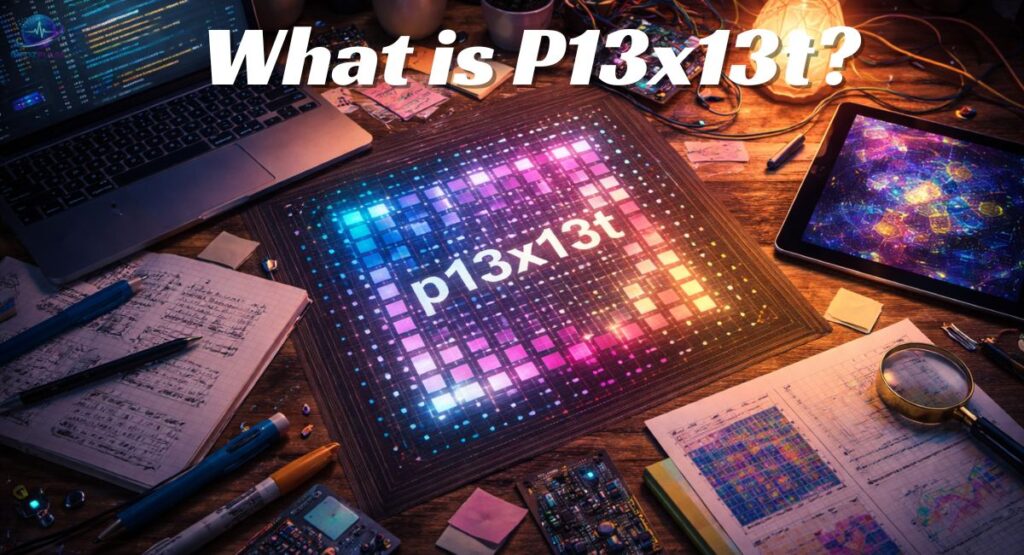
P13x13t is often described as a digital code that works as an alphanumeric identifier rather than a fixed product or platform. It represents a concept built around structure, flexibility, and interpretation. You can think of it as a symbolic system instead of a single tool.
Many people associate it with a 13×13 grid system, which supports a grid-based framework for organizing information. This idea fits well with modern tech thinking, where structure helps systems scale while still allowing creative freedom.
How the Concept Works
At its core, the idea relies on a matrix structure that supports a flexible digital framework. Each part of the grid can represent data, logic, or creative elements, depending on how you apply it. This makes the concept adaptable across industries.
Because it connects well with algorithmic framework thinking, developers can map logic without overcomplicating systems. The structure supports experimentation while keeping everything organized and easy to track.
Why Structure Matters in Modern Tech
Modern platforms depend on modular data structure models to stay efficient and secure. Structured systems reduce errors and make updates easier over time. This is why grid-based thinking keeps showing up in new technologies.
When structure supports AI pattern recognition, systems can learn faster and scale better. You benefit from cleaner processes without sacrificing flexibility or creativity in development.
Role in Security and Identity
Digital environments increasingly focus on encryption systems and cybersecurity concepts to protect users. Structured identifiers help reduce exposure while keeping systems traceable when needed.
This approach also supports digital identity masking, allowing users to stay private without becoming anonymous. It reflects a shift toward smarter, safer identity handling online.
Connection to Creative Technology

Beyond security, this idea plays a role in digital art technology and generative design. Artists often use structured grids to create controlled chaos that feels intentional, not random.
In visual media, it appears in glitch art and generative visuals, where broken patterns become part of the aesthetic. This shows how structure can actually unlock creativity.
Use in Decentralized Systems
Decentralized platforms rely on blockchain identity and IoT mapping system models to manage data across networks. Structured frameworks make these systems easier to scale and audit.
This supports decentralized digital culture, where no single authority controls identity or data. Instead, systems rely on shared structure and trustless design.
Community and Cultural Influence
Online discussions often frame this idea as part of online communities exploring tech symbolism. People share interpretations, experiments, and use cases without central ownership.
This collaborative behavior reflects decentralized digital innovation, where ideas evolve through shared curiosity rather than formal standards.
Challenges and Limitations
One challenge is that abstract systems can confuse users unfamiliar with emerging technology frameworks. Without clear documentation, adoption can feel intimidating.
There are also concerns around encryption and data security when flexible systems lack standard rules. Clear implementation guidelines help reduce these risks.
Practical Implementation Tips
If you explore structured models, start small and focus on scalable data mapping rather than full system redesigns. This helps you test ideas without disrupting workflows.
Using modular technology systems ensures your setup stays flexible. You can adapt as needs change without rebuilding everything from scratch.
Looking Toward the Future
As technology evolves, structured concepts like P13x13t align with the future of digital frameworks. They support systems that blend logic, privacy, and creativity.
This trend reflects a growing technology and creative fusion, where design and engineering work together instead of competing. That balance will define the next generation of digital tools.
Meta Description
Discover P13x13t, a unique digital code blending structure and creativity in tech, AI, and digital identity systems.

Welcome to Infoz Pulse! I am dedicated to helping businesses improve their online presence and achieve growth through effective SEO strategies.