

In today’s connected world, every click you make depends on an IP address working quietly behind the scenes. One such address is 183.63.127.22, a numerical identifier that helps systems manage smooth internet communication across the web. If you are a website owner or a network administrator, understanding how this address fits into modern online infrastructure can help you make smarter decisions about performance and security.
From data routing and server access to monitoring traffic and uptime, IP addresses support daily digital activity. Just like tools such as Sitemap Generator by SpellMistake: The Powerful SEO Tool You Need in 2026 improve site structure, learning how IPs work strengthens your overall web strategy and technical awareness.
What Is 183.63.127.22?
An IP address is a numerical identifier assigned to a device connected to a network. It allows systems to determine where requests originate and where responses should be sent. Without this structure, modern online infrastructure would not function reliably.
From a technical view, 183.63.127.22 is a public IPv4 address. That means it is reachable over the internet and used for external communication. IPv4 still supports most of today’s web traffic, even as newer protocols slowly expand.
How This IP Address Functions Online
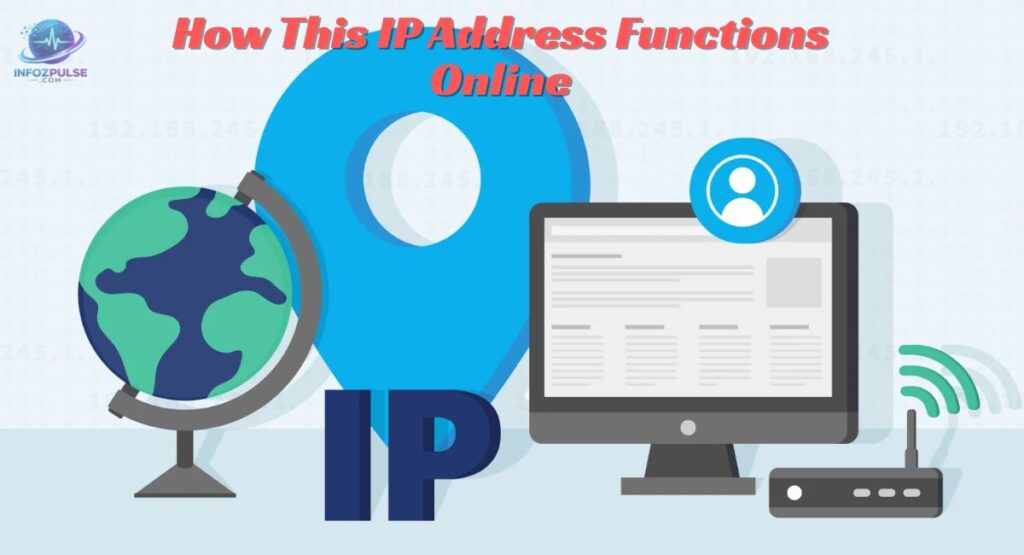
Every time you load a page, systems rely on data routing to deliver information correctly. IP addresses help with routing information accurately, ensuring responses reach the right destination without confusion or delay.
This process is part of the broader Internet Protocol System. It allows devices to communicate globally, whether you are browsing a website or accessing a cloud service hosted on a remote server.
Public IPv4 Address and Global Access
Internet service providers assign a public IPv4 address and enable external visibility. These addresses allow servers to accept requests from users anywhere in the world without manual configuration.
In most cases, such an address points to a server IP address rather than a home device. This setup supports stable access and smooth interaction across the broader web infrastructure.
Hosting and Server Environment Use
Many services rely on IP-based access for hosting websites or applications. Before a domain is connected, developers often test systems directly through an IP during initial setup before domain linking.
A stable server or hosting environment improves reliability. When configured correctly, it supports consistent accessibility for services and reduces downtime for visitors and applications.
Geographic Location and ISP Allocation
IP addresses can suggest a general geographic location by IP, such as a country or region. This helps with traffic management and localization without revealing personal identities.
Each address is part of a larger ISP allocation. Providers distribute address ranges to manage traffic efficiently while still maintaining user anonymity at an individual level.
Network Monitoring and Performance
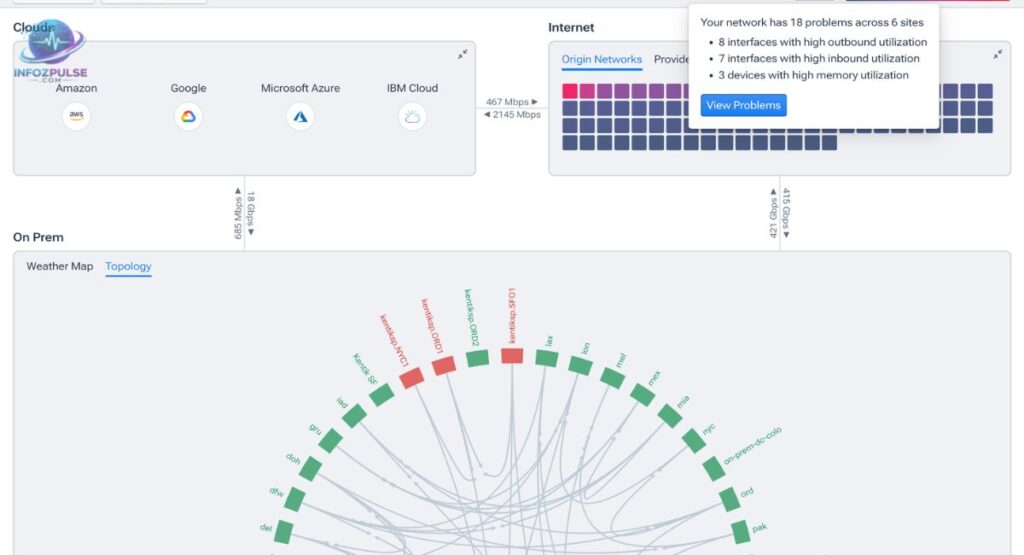
Admins rely on IP data for network monitoring, monitoring uptime, and performance. These checks help identify slowdowns, outages, or abnormal activity before users notice problems.
Healthy monitoring supports stable network connectivity and protects server performance. Over time, this directly improves reliability and trust in online services.
Security and Cybersecurity Monitoring
From a security standpoint, IPs play a role in cybersecurity monitoring. Tools use addresses to detect unusual behavior and perform suspicious traffic analysis in real time.
Systems like firewalls and access control systems can block threats or allow safe access. Admins may also focus on whitelisting trusted IP addresses to protect sensitive platforms.
Log Analysis and Troubleshooting
Servers store detailed server log records for every request. These logs support log analysis and help trace issues like errors or failed connections.
When repeated activity appears, teams can identify unauthorized access attempts or traffic from automated bots and integrations. This insight makes network troubleshooting faster and more accurate.
Static vs Dynamic IP Assignment
Some systems rely on a static IP address that never changes. This is ideal for hosting services that require predictable access and long-term stability.
Others use a dynamic IP address, which changes over time for efficiency. Both options support website hosting, depending on scale, budget, and technical needs.
Impact on SEO and Website Health
While IPs are not ranking signals, they affect website speed and uptime, which influences user experience. A stable network improves the technical health of a website over time.
Clean traffic patterns also support network reputation management. When systems follow responsible IP usage, websites remain accessible, secure, and reliable for users and search engines alike.
Conclusion
Although it looks like a simple string of numbers, 183.63.127.22 plays a meaningful role in modern networking. From routing data to supporting hosting, security, and performance, IP addresses quietly power daily online activity. When you understand how 183.63.127.22 fits into internet systems, you gain better control over reliability, safety, and long-term digital growth.
Meta Description
183.63.127.22 explained clearly, learn what this IP address is, how it works, and why it matters for security, hosting, and performance.

Welcome to Infoz Pulse! I am dedicated to helping businesses improve their online presence and achieve growth through effective SEO strategies.